Digital Transformation Is More Than Moving Work Online
11 July 2026
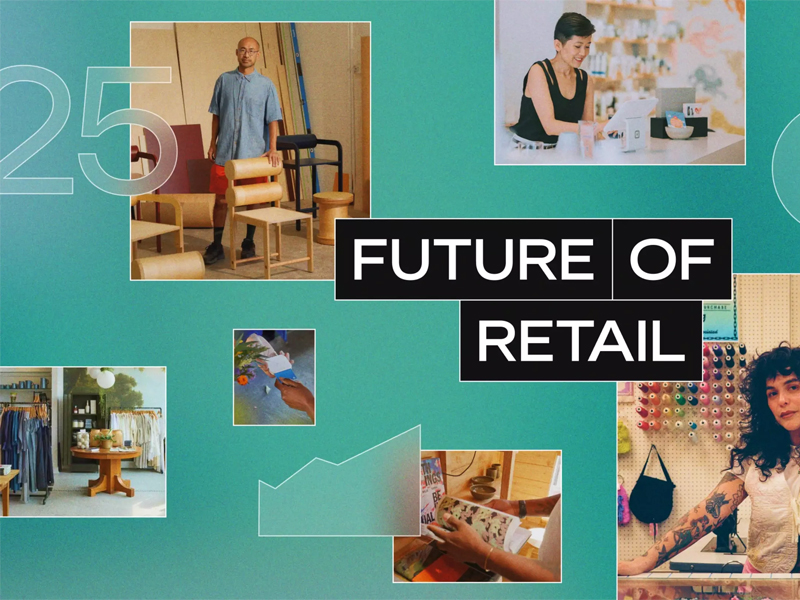
The global retail landscape is undergoing a massive transformation — accelerated by technology, shifting consumer behavior, and rapid digitization. As we move from 2025 into 2026, the lines between online and offline shopping are merging like never before.
Consumers now expect speed, personalization, convenience, and seamless experiences. And brands that fail to adapt risk falling behind.
This article explores how e-commerce is redefining retail during the critical 2025–2026 transition, and what startups, retailers, and growing brands must do to stay competitive in this new era.
In
2025–2026, personalization is no longer “nice to have” it’s the new
standard.
Powered by AI and predictive analytics, brands are now able to deliver tailored
shopping experiences across all platforms.
· Product recommendations based on past behavior
· AI-driven email and SMS flows
· Personalized discounts and loyalty rewards
· Dynamic website content that adjusts to each user
Consumers
are craving experiences that feel tailored to them.
Brands leveraging personalization will see higher conversion rates and stronger
customer loyalty.
Social
commerce exploded in 2024 and continues to dominate into 2025–2026.
Platforms like Instagram, TikTok, Facebook, and even WhatsApp are turning into
full shopping ecosystems.
· Shoppable videos and posts
· TikTok Shop and Instagram Reels driving real-time purchases
· Influencer-led livestream shopping
· Chat-based purchasing through WhatsApp Business
By 2026, social commerce is projected to account for over 20% of all e-commerce sales making it an essential channel for all retail brands.
The
future of retail lies in a seamless blend of digital and physical experiences.
Customers don’t see channels — they see one brand.
· Buy Online, Pick Up In Store (BOPIS)
· Unified loyalty programs across online + retail
· Inventory visibility online & in-store
· Mobile-first experiences such as QR browsing, digital receipts & virtual try-ons
This integration ensures that customers have a smooth journey no matter how they interact with your brand.
Automation
is becoming the backbone of modern e-commerce.
From customer service to inventory management, AI is transforming internal
operations.
· AI chatbots providing 24/7 support
· Smart inventory management
· Automated product tagging and categorizing
· AI writing tools for product descriptions & SEO content
· Automated ad optimization
This shift allows retailers to reduce operational costs while improving speed and accuracy.
The
checkout experience is evolving rapidly between 2025 and 2026.
Slow checkout equals lost sales so
brands are optimizing aggressively.
· One-click payments
· Digital wallets (Apple Pay, Google Pay, PayPal)
· Auto-filled customer details
· BNPL (Buy Now, Pay Later) options
· Personalized checkout offers
Frictionless checkout = higher conversion and fewer abandoned carts.
While
still evolving, the metaverse is shaping the future of retail.
By 2026, we will see more brands experimenting with:
· Virtual stores
· Digital product launches
· AR/VR try-ons
· NFT-based loyalty rewards
· Gamified shopping experiences
Retailers who embrace immersive technology early will capture the attention of next-gen consumers.
Customers especially Gen Z care deeply about sustainability.
In 2025–2026, ethical practices will significantly influence purchasing
decisions.
· Eco-friendly packaging
· Transparent sourcing
· Low-carbon manufacturing practices
· Thrift, rental, and resale integrations
· Recycling programs
Retailers must demonstrate responsibility not just claim it.
Retail
in 2026 will be driven by data more than ever.
Brands that track and analyze customer behavior will outperform those that rely
on intuition.
· Understand buying habits
· Track customer lifetime value (LTV)
· Optimize pricing strategies
· Improve product collections
· Reduce churn
Startups supported by ARE Ventures often gain access to analytics tools and mentorship to help them leverage data effectively.
The
retail world is evolving rapidly but with change comes opportunity.
The 2025–2026
transition marks a defining moment where technology, consumer
expectations, and innovation converge.
Brands that embrace personalization, automation, social commerce, omnichannel strategies, and sustainability will thrive in this new era.
Retail
is no longer about selling products it’s
about creating experiences.
And with the right guidance, such as the support offered by ARE
Ventures, startups can not only adapt to this shift but lead
the future of digital commerce.

21 April 2026